
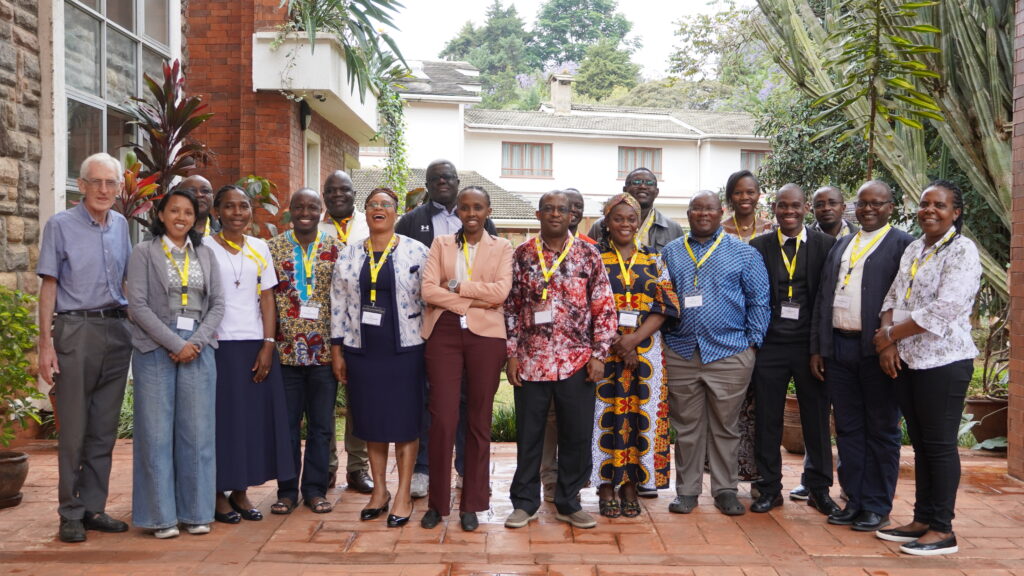
The Jesuit Rwanda–Burundi Province joined safeguarding representatives from across Africa and Madagascar at the 2026 meeting of the Jesuit Conference of Africa and Madagascar (JCAM) Province Safeguarding Officers, held in Nairobi from 30 October to 4 November. Under the theme “Revisiting the JCAM Safeguarding Strategic Plan: What Is Working Well and What Is Not Working Well,” the meeting provided an opportunity to assess progress, share experiences and identify priorities for strengthening safeguarding across Jesuit institutions. Alongside the meeting sessions, participants visited apostolic works and had an opportunity to exchange with the team at St. Joseph Development Programmes, learning from their safeguarding practices and experience.
From Policies to a Culture of Protection
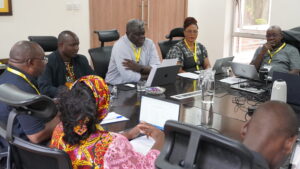
In his opening remarks, Fr. José Minaku, SJ, President of JCAM, emphasized that safeguarding is not an additional activity but an essential part of the Jesuit mission. He called for its integration into all apostolic works. Discussions revealed encouraging progress across the continent, including the development of policies, the appointment of safeguarding officers, increased training, and stronger collaboration. However, implementation remains uneven. Institutional resistance, cultural attitudes, limited resources, and insufficient follow-up continue to affect progress. Gaps in case documentation, reporting procedures and referral pathways also require attention. Participants stressed that effective safeguarding requires not only clear procedures but also competent responses, attentive listening, and the long-term accompaniment of those affected.
Reflections from the Rwanda–Burundi Province
The province reported that most apostolates now have safeguarding policies in place and have appointed safeguarding officers. Community awareness has also been promoted through initiatives such as parenting sessions at Saint Ignatius Schools. While these are important steps, delays in implementing planned activities, the continued acceptance of violent forms of child discipline in some places, and gaps in case documentation remain areas for improvement. These reflections reinforced the need to move beyond having policies and structures towards consistent implementation.
While these are important steps, delays in implementing planned activities, the continued acceptance of violent forms of child discipline in some places, and gaps in case documentation remain areas for improvement. These reflections reinforced the need to move beyond having policies and structures towards consistent implementation.
From Reflection to Action
The meeting identified key priorities: stronger institutional leadership and ownership, consistent implementation and monitoring, continued formation and awareness, improved case management, sustained care for victim-survivors, and adequate resources to support safeguarding work. In his closing remarks, Fr. Minaku,SJ challenged participants to demonstrate concrete improvements by the next annual meeting rather than repeat the same concerns. He encouraged them to share the outcomes with their Provincial Superiors and safeguarding commissions and translate the recommendations into action.
For the Jesuit Rwanda–Burundi Province, the message is clear: build on the progress already made and strengthen implementation, accountability, and lasting changes in institutional practice.
Ultimately, safeguarding is not measured by the number of policies developed or training sessions conducted. It is measured by whether children and vulnerable adults feel safe, are listened to, have their dignity respected and receive protection when they need it. Building a culture of protection is a shared responsibility, calling each of us to move beyond good intentions and make the safety and dignity of every person a lived reality.
By Mrs. Marie Ange Nsabimana,
Coordinator and Trainer for Child & Vulnerable Adults Safeguarding