
Accompanying Jesuits in Formation
Dialogue and self-evaluation tools help deepen discernment in Jesuit formation.
Delegates of formation and rectors from the Jesuit Conference of Africa and Madagascar (JCAM) recently gathered in Kigali, Rwanda, to reflect on how best to accompany young Jesuits in their formation journey. On the first day of the meeting, 5th March 2026, participants focused particularly on the use of self-evaluation forms, exploring how these tools can support discernment, dialogue, and personal growth in Jesuit formation.
As the number of Jesuits in Africa and Madagascar continues to grow, formators across the region are reflecting on how best to accompany young Jesuits in their formation journey. Recent discussions among formation delegates of the Jesuit Conference of Africa and Madagascar (JCAM) focused on the use of evaluation forms as tools for dialogue, discernment, and personal growth.
Rather than serving merely as administrative requirements, these forms are increasingly seen as opportunities to encourage deeper reflection among scholastics and those preparing for ordination.
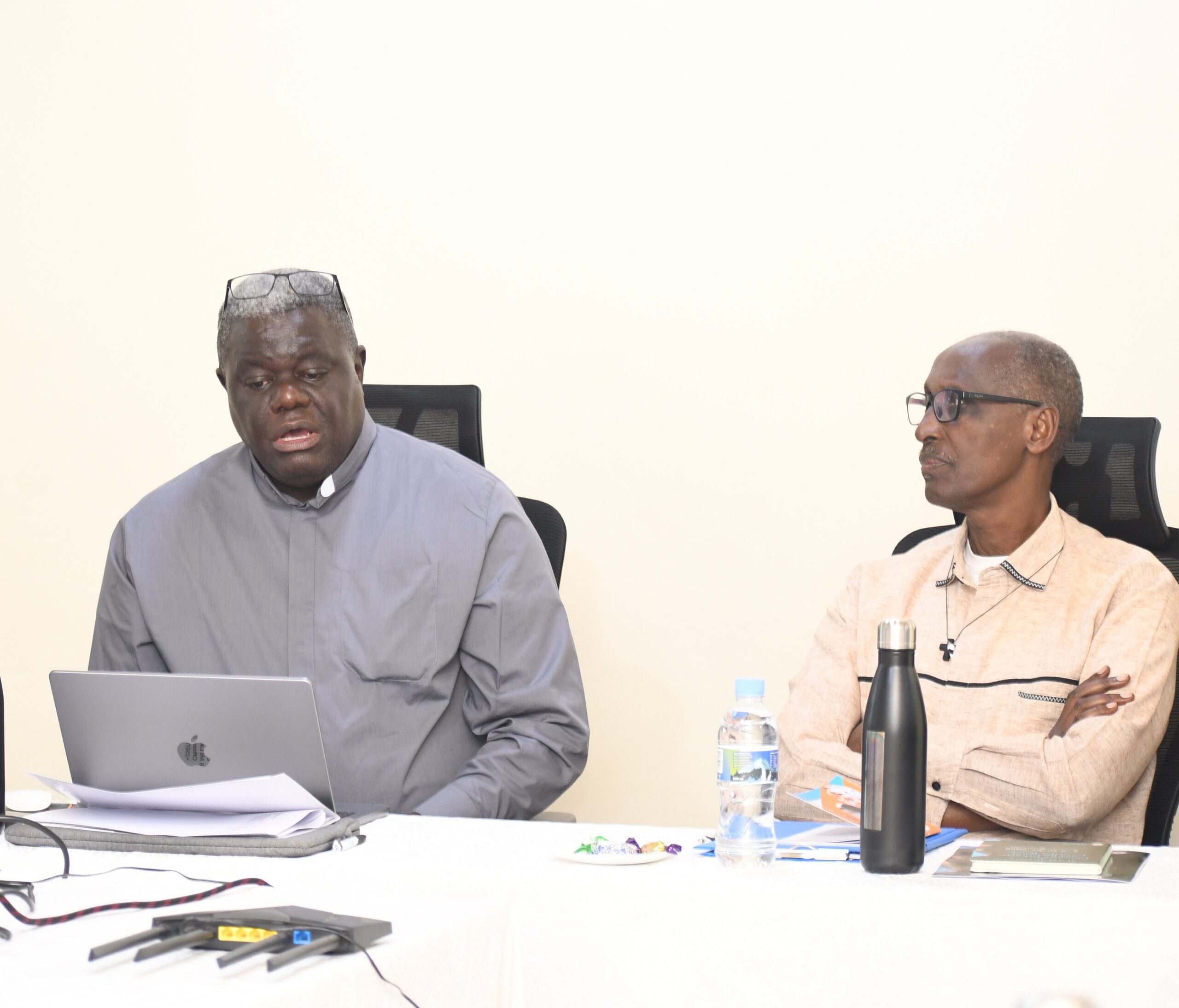
Fr. Emmanuel Foro, the rector of Hekima University college community, highlighted the importance of self-evaluation, particularly for deacons preparing for priesthood. Asking candidates to reflect on their own experiences before receiving feedback from formators helps make the process of accompaniment more meaningful.
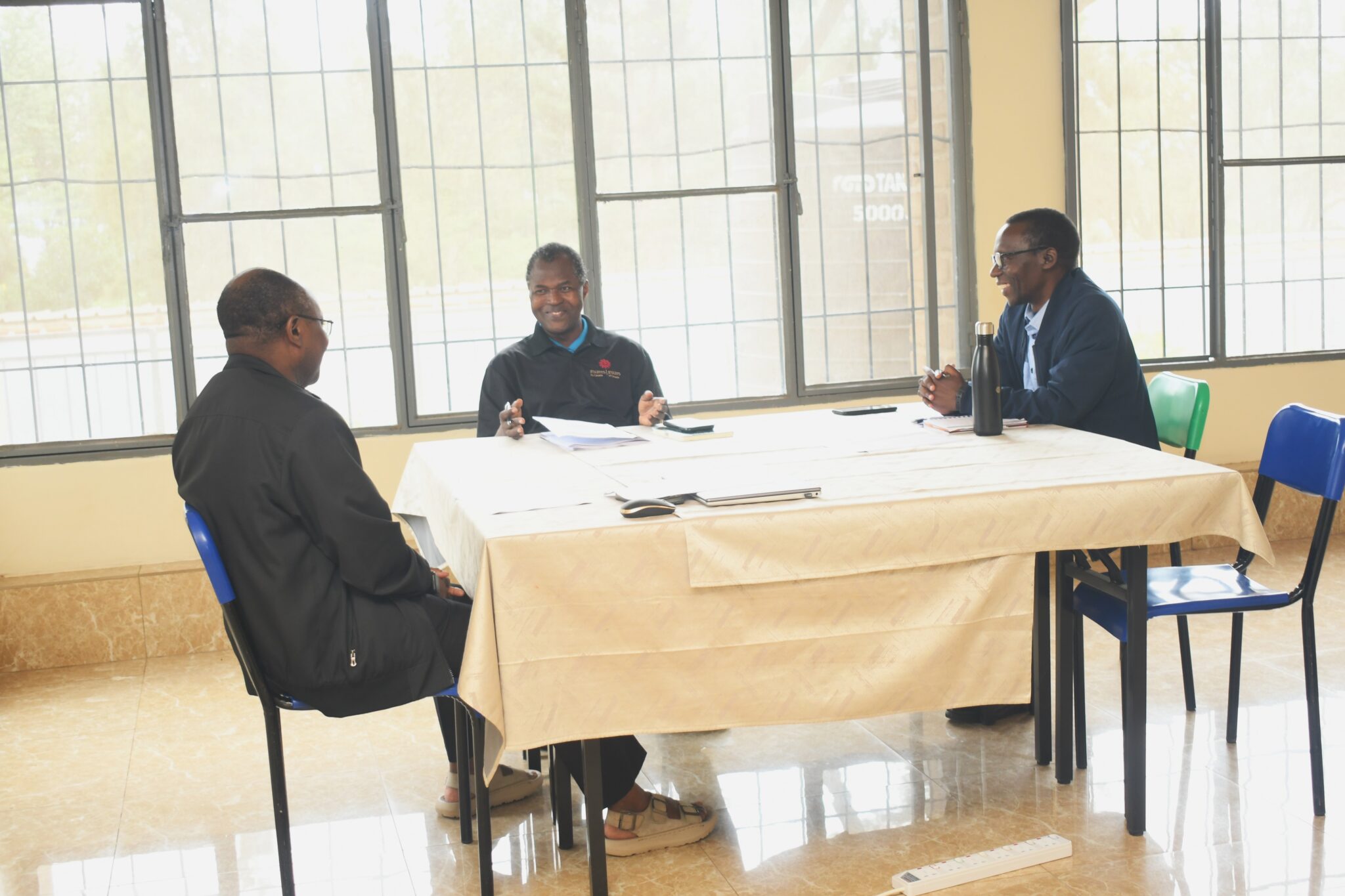
“Self-evaluation allows them to reflect more concretely on their journey before meeting with the formators,” he noted.
Fr. John the Baptist Anyeh, S.J, the socius, admonitor and Consultor to JCAM President, emphasized that the forms could create space for honest conversations about a scholastic’s life in formation. By encouraging candidates to articulate their challenges and aspirations, the process can lead to richer dialogue and more attentive accompaniment.
Across different formation houses, participants noted that the forms often need to be adapted to local realities. In some contexts, scholastics struggle to balance academic responsibilities with the demands of Jesuit life, especially when studying at universities. In such cases, some formators have modified the forms to better address the experiences of the scholastics they accompany.
Language and cultural diversity also present challenges. In communities where multiple nationalities live and study together, communication can sometimes be difficult. Some formators reported translating the forms into local languages to ensure that scholastics can fully express their experiences and concerns.
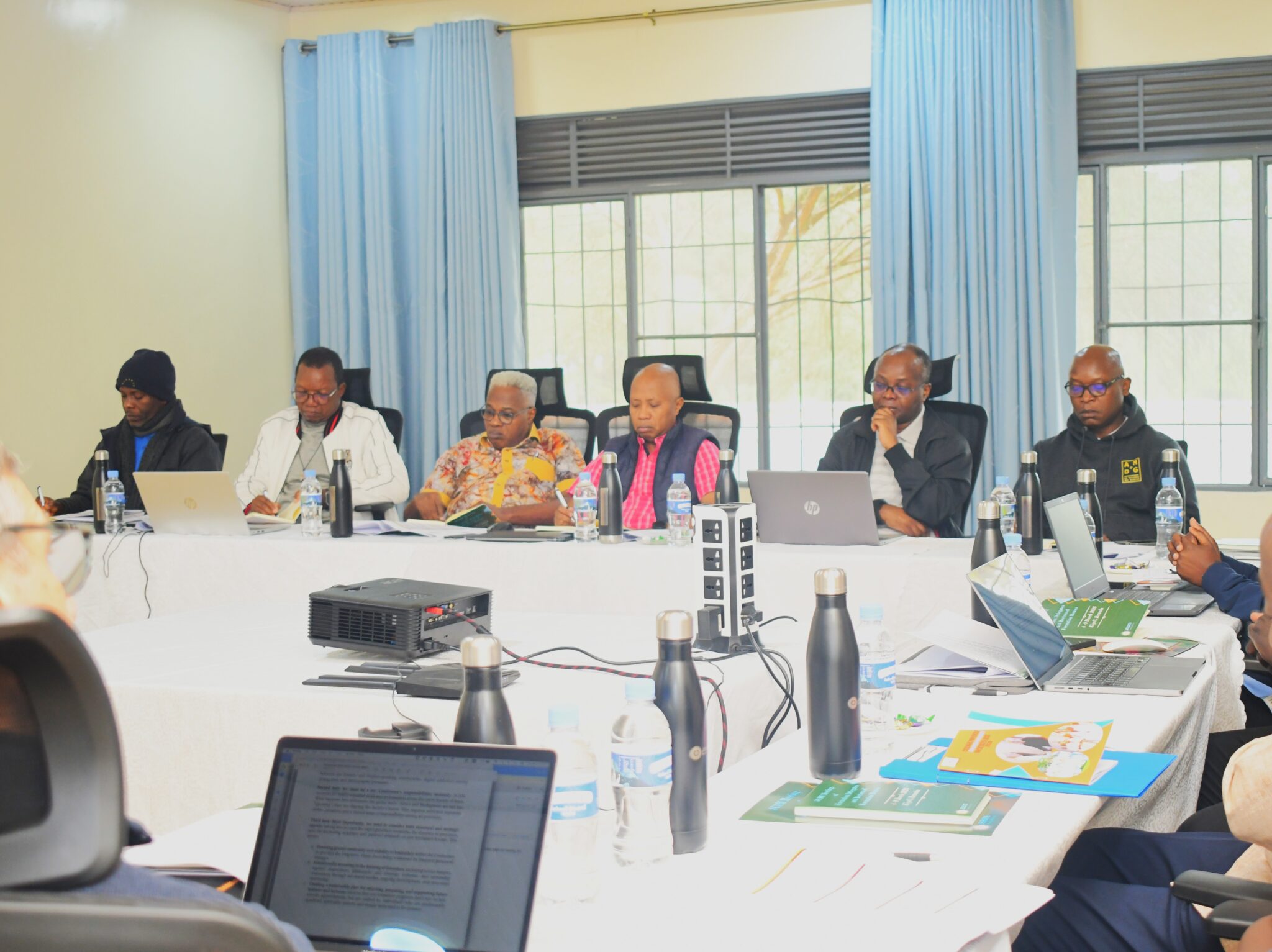
Another important theme raised during the discussions was the need to foster a culture of discernment and dialogue in Jesuit formation. Fr. Ravizza Mark, sj, the director of Jesuit Mission, encouraged formators to see these evaluation forms as part of a broader spiritual process, helping scholastics reflect on their vocation and mission within the Society of Jesus. “Self-examination is not an intellectual but spiritual activity, these can help young Jesuits understand where they are in their journey.”
The conversation also took place within the broader context of the global Society of Jesus. Africa and Madagascar continue to experience significant growth in Jesuit vocations. Currently, the conference counts 1899 Jesuits, with formation numbers steadily increasing in philosophy and theology programs.
This growth brings both opportunities and responsibilities. Participants emphasized the importance of preparing future formators who will accompany the next generation of Jesuits. Strengthening formation structures and investing in the training of formation teams will be essential for sustaining the mission of the Society in JCAM. Ultimately, the discussions reaffirmed that Jesuit formation is not only about academic preparation but about forming men capable of discernment, collaboration, and service at the frontiers of today’s world. Through dialogue, reflection, and attentive accompaniment, formators continue to guide young Jesuits in responding generously to God’s call.
